Tim Kapucian, Iowa Senate
Greetings from Under the Golden Dome
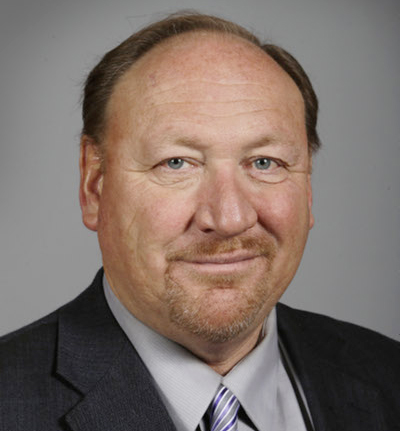
The dust has settled on the 2019 legislative session. We adjourned Saturday afternoon on April 27, 2019. Many of us now need it dry up a little here so spring planting can resume.
In my view this session had a number of major accomplishments:
We gave K-12 education their supplemental state aid numbers on a timely basis allowing them to meet their budget certification deadlines. We appropriated $89 million in new dollars and continued to address inequities from district to district dealing with per pupil and transportation funding.
Later in the session we voted to extend the one cent sales tax (SAVE). The fund helps pay for school improvements, technology and transportation. This enables districts to ease the burden on property taxpayers, while being better able to manage their budgets.
The main objective of our property tax reform law was controlling the growth of property taxes. Over the last 18 years property taxes have more than doubled, while incomes for Iowans have only grown 43 percent over that same time. Senate File 634 places an enhanced spotlight on the local budgeting process and increases public input. This process will allow homeowners clarity into the real cause of property tax increases instead of the currently opaque process of receiving an assessment and months later receiving news of the tax rates placed on that assessment. It will also allow homeowners more time to communicate with their locally elected officials.
Prior to a public hearing, Senate File 634 requires a local government to inform taxpayers of a new “status quo” tax rate. The rate will show homeowners the property tax rate that would give the city or county the same amount of revenue it would have had in the previous year. Exceeding this rate alerts the taxpayer their taxes may be rising.
After the public hearing local officials will need to approve the information they just discussed. If the tax dollars and rates discussed at the public hearing exceed 2 percent compared to the previous year, the local governing body must approve the amount of increase with a two-thirds vote. The enhanced vote requires lawmakers to reach greater consensus before raising the financial burden property taxes place on homeowners.
We did alter the judicial nominating committee member selection process by removing the senior member of the court as chair of the nominating committee and adding another citizen member. The committee will now select their own chair.
In agriculture we now have a hemp bill passed by the legislature and it awaits a signature by the governor. We hope to see some production here in Iowa next season. First we must submit a plan from the Iowa Department of Agriculture to the USDA for approval. Also, the processing infrastructure must be developed. It is not completely done yet but we are a good way down the road.
We funded the beginning farmer loan at $12 million. It had been $12 million but was cut to $6 million previously. There is a high demand so we increased it to the $12 million dollar mark. Retired farmers can apply for a credit if they rent to a beginning farmer, thus encouraging more landowners to rent to beginning farmers.
A transportation issue we passed was legislation to allow farmer-owned semis to have expanded weight limits on triple axle trailers – commercial trucks were already able to do this but farmplate trucks were not.
Legislation was passed to streamline the overweight permit process for trucks of forestry products. The bill also states that county engineers would designate routes for these permitted trucks. The DOT will work to develop a statewide permitting system, determine the counties that could be allowed to access the DOT system, and to streamline the computer generated route program the state already has.
We upgraded the code to allow qualified vans to be used to transport student at schools.
Legislation was passed to allow automated vehicle research to be done on roadways here in the state.
A surcharge on electric vehicle registration fees was put in place to increase those fees to $130 over the next three years. As these vehicles become more efficient, affordable and popular, the decrease in revenue from gas and diesel purchased needs to be replaced in order to maintain our roads and bridges.
This year I was particularly honored to vote for HF 690, the children’s mental health system bill. The bill was initially introduced by Governor Reynolds and passed both chambers with strong bipartisan support. It comes on the heels of last year’s complex needs bill that established a state and regional framework of governance and defined a series of core services. The children’s mental health bill did the same for children. Core services will include prevention, early identification, early intervention, education, assessment, and evaluation. Finally, the Department of Human Services and the Iowa Department of Public Health will establish a single statewide 24 hour crisis line through YourLifeIowa.
Next year I hope we can continue to build upon the our entire mental health program for children and adults here in Iowa.
Also, I expect we will need to address additional funding for the flooded areas of Iowa.
I hope everyone has a great summer and you’ll see me back here next year.
See you out and about the district.
I am the chair of the Transportation Committee, and serve on the Agriculture, International Relations, and Natural Resources & Environment Committees. Please feel free to contact me by email at tim.kapucian@legis.iowa.gov
 Jim Magdefrau